Modern cricket coaching has always relied on intuition and experience. Data is not replacing that — it is sharpening it.
For most of cricket's history, a coach's greatest asset was pattern recognition — the ability to watch a batsman's backlift, read a bowler's seam position, and draw on decades of lived experience to make split-second decisions. That hasn't changed. What has changed is the volume of signal available to sharpen that recognition.
Over the past decade, the most competitive T20 franchises in the world have quietly built analytics departments that sit alongside — not above — their coaching staff. The best implementations treat data as a conversation, not a verdict.
The Problem With Averages
The most common mistake in cricket analytics is stopping at the surface. A batting average of 42 tells you almost nothing about a player's value in a T20 chase. Context is everything — and context is what separates useful analysis from noise.
"The question is never 'what is his average?' The question is 'what is his average in the 16th over of a chase, against left-arm pace, on a slow surface?' That's where the value lives."
— A franchise analytics lead, speaking to Kadamba
This granularity requires ball-by-ball data — not just scorecards — tagged by game situation, pitch type, match phase, and opposition bowling attack. Building and maintaining that infrastructure is non-trivial, but it is what makes the difference between analysis and guesswork.

Where Coaches Actually Use Data
Based on our work with elite franchises and international teams, data interventions tend to cluster around three moments: pre-match preparation, in-game decision support, and post-match review.
Opposition profiling, matchup modelling, and pitch analytics. The most common request is a 'bowling plan' document that maps each opposition batsman to preferred lines, lengths, and deliveries — based on their recent form data.
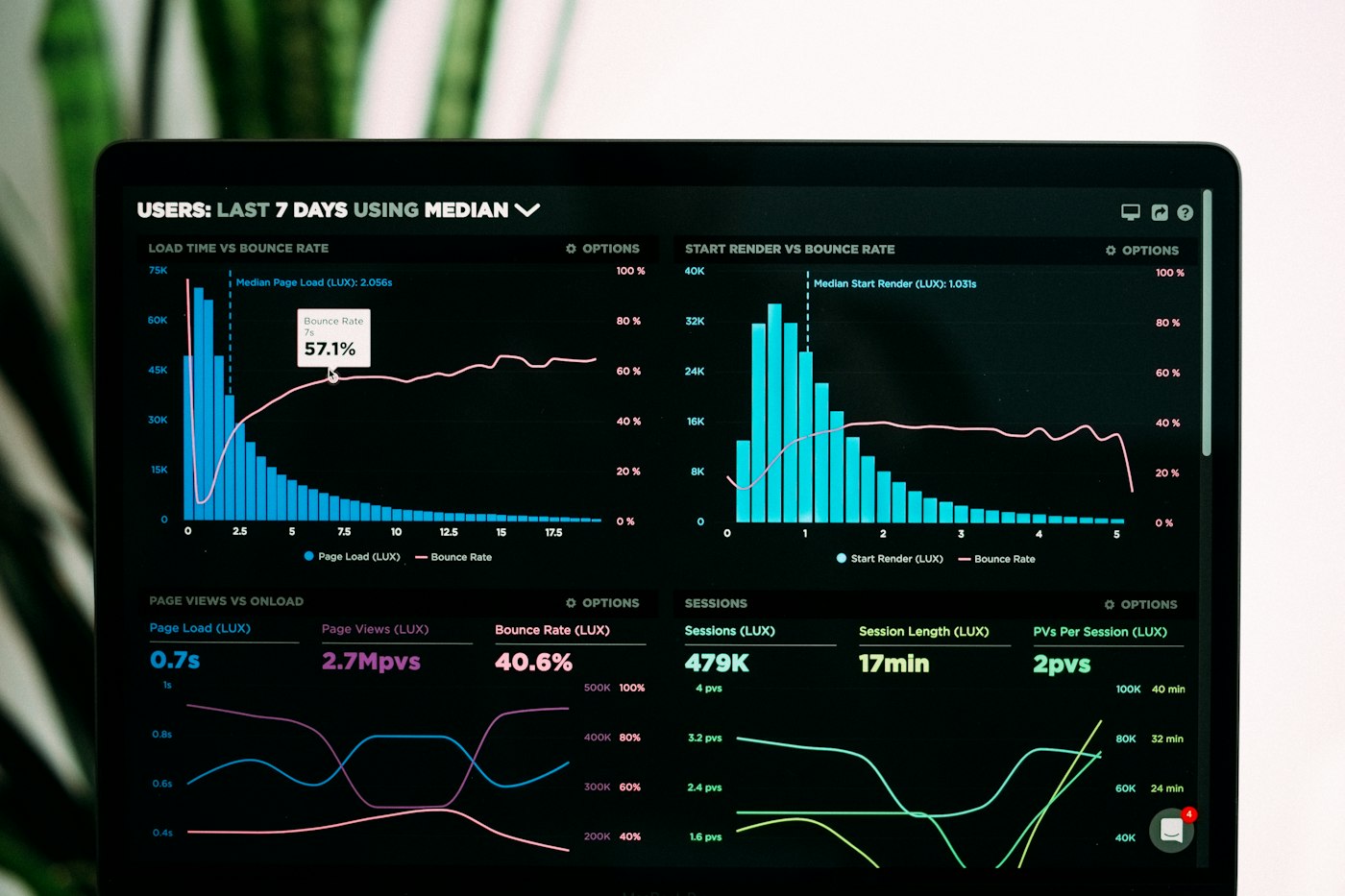
Live dashboards accessible to the captain and support staff. Strike-rate modelling for target chases, pressure metrics, and bowling economy tracking. The key is latency — data that arrives 30 seconds late is nearly worthless in a T20 context.
Post-match review is where the deepest learning happens. With the pressure of live play removed, coaches and analysts can sit together and interrogate decisions in a way that isn't possible in the dugout. This is where data changes minds — slowly, over multiple sessions.
The Human Layer
The most effective analytics teams we work with share one characteristic: the analysts can communicate. Not just the numbers — the meaning. A coach who has played 200 first-class matches does not need a regression coefficient. They need a sentence: 'He gets out LBW in 40% of his dismissals when the ball is swinging into him in the first six overs.'
The future of cricket analytics is not about replacing intuition. It is about giving experienced people better raw material to work with. The pattern recognition still happens in the coach's mind. Data just expands the sample size.