
The Indian sports analytics market has multiple layers — and they don’t all compete with each other. Here’s an honest picture of who’s in the market, what buyers are looking for, and how to evaluate providers in 2026.
Sports analytics in India has grown from a niche technical function into a recognised professional discipline. The shift has been driven primarily by cricket — the IPL created commercial incentives for data-backed decision making that didn’t exist before — but it has spread. Kabaddi, football, badminton, and athletics organisations now employ analysts and commission data services that would have been considered unnecessary overhead a decade ago.
For leagues, broadcasters, franchises, and sports organisations evaluating analytics providers in 2026, the market is more crowded than it appears from the outside — and less uniform than it appears from the inside. Here’s an honest picture of what the landscape looks like.
The market has multiple layers — and they don’t compete with each other
The first thing to understand about sports analytics in India is that ‘analytics company’ covers a wide range of different businesses operating at different levels.
At the top end are companies with long-term institutional relationships with leagues, boards, and broadcasters — companies that have been coding match data professionally for years and have built the historical depth that makes their datasets genuinely useful for strategic analysis. These companies are not easy to find. They don’t need to advertise because their clients come through referrals and existing relationships.
Below that are a growing number of smaller analytics studios and individual consultants — typically former players or coaches with strong cricket knowledge who have built analytical capability around specific niches. These are often excellent for specific use cases but limited in scale and data infrastructure.
Then there are the technology-first companies — platforms and SaaS products that have applied general data analytics infrastructure to sport. These are often well-funded and well-marketed, but cricket-specific knowledge and historical data depth are frequently their weakest points.
Understanding which layer a provider operates in is the first step in evaluating whether they’re right for your use case.
Cricket is the anchor — but the sport mix is changing
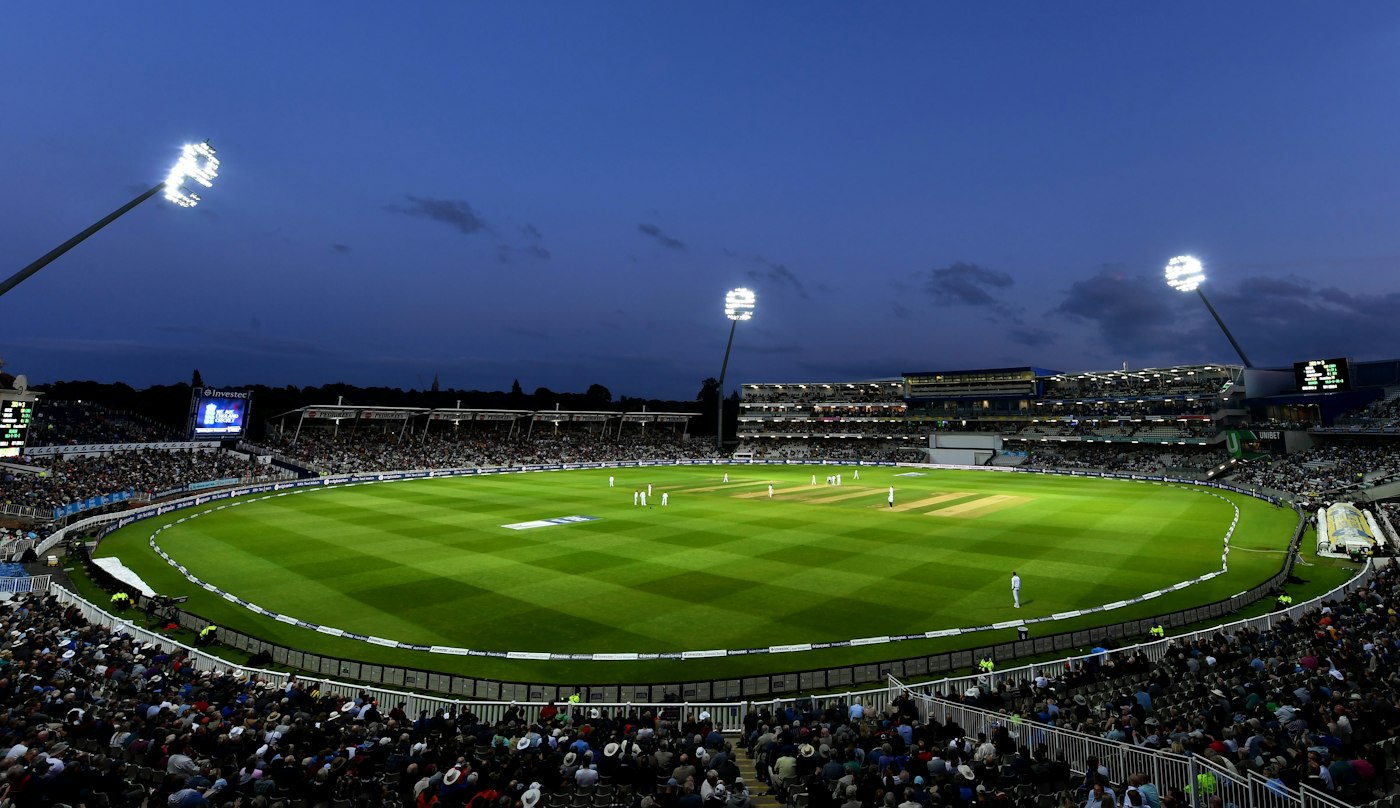
Cricket remains the dominant sport for analytics infrastructure in India. The depth of data available for Indian domestic and international cricket is significantly greater than for any other sport in the country. Ball-by-ball datasets stretching back a decade or more exist for a handful of providers — and that historical depth is genuinely rare globally.
Cricket-21 has the most extensive cricket database in the world — over 25,000 professionally coded matches across formats and competitions, from international Tests to domestic leagues to franchise T20 competitions. That kind of longitudinal data is what makes genuine comparative analysis possible: understanding not just what happened in a match, but what it means in the context of everything that’s happened before.
Kabaddi analytics has matured significantly since the PKL professionalised the league. Pro Kabaddi now generates structured performance data with real commercial applications — fantasy platforms, broadcast graphics, and franchise analysis are all active use cases. A small number of providers operate at a professional level in this space.
Football analytics in India remains nascent compared to cricket and kabaddi — the ISL has created some demand but the data infrastructure and analytical tradition are still developing. Basketball, athletics, and other sports are earlier still.
What buyers are actually looking for in 2026
The questions that sports organisations, leagues, and broadcasters ask when evaluating analytics providers have changed over the past five years. The conversation has moved from ‘can you give us data’ to ‘what can we do with the data you give us.’
The shift reflects a maturing market. Early adopters were willing to work with raw data and build their own interpretation layer. Today’s buyers — particularly IPL franchises, international boards, and major broadcasters — want integrated solutions: data that arrives in usable formats, analysis that addresses specific questions, and tools that their analysts and coaching staff can actually operate.
The specific requirements vary by buyer type:
A franchise analyst wants opposition scouting reports, phase-by-phase breakdowns, and player-specific data that feeds directly into match preparation. Speed and specificity matter — a report that arrives 48 hours before a game is more valuable than a comprehensive dataset that arrives two weeks later.
A broadcaster wants data that can be turned into graphics and commentary talking points in real time. Latency and reliability are the primary concerns — the feed has to be there before the next ball is bowled.
A league operator wants infrastructure: match centers, data feeds for fantasy platforms, and the technical setup that makes a professional league look like a professional league to sponsors, broadcasters, and fans.
A national board or state association wants long-term analytical capability — historical data, player development tracking, and the tools to support a selection and performance programme over multiple seasons.
The build-vs-buy question
One trend that has emerged clearly in the Indian market is the shift away from building proprietary analytics infrastructure in-house. Five years ago, several major franchises and boards were investing in building their own data collection and analysis capability. The results were mixed — good intentions, but data quality and consistency problems that compounded over time.
The organisations that have had the most consistent analytical results are typically those that use professional external data providers for collection and infrastructure, with internal analysts focused on interpretation and application rather than data management.
This mirrors what happened in European football ten years earlier. The clubs that tried to build everything in-house learned the hard way that data collection at a professional level is a specialist operation. The ones that partnered with established providers and focused their internal resource on analysis rather than infrastructure got further, faster.
Kadamba in the market
Kadamba Technologies has been operating in the Indian sports analytics space for over 20 years — pre-dating the IPL, pre-dating the professionalisation of domestic cricket, and pre-dating the current market interest in sports data.
That history matters in a market where data depth is the most important differentiator. Cricket-21, Kadamba’s analytics platform, is built on that depth — and it powers performance analysis for IPL franchises, international boards, domestic associations, and franchise leagues across multiple geographies.
The services Kadamba provides span the full stack: data feeds, match centers, performance analysis platforms, editorial statistics, auction management, broadcast graphics, and venue operations. For organisations that want a single partner across multiple functions rather than managing relationships with multiple vendors, that breadth is a genuine advantage.
What to look for when evaluating providers
The Indian market has enough providers now that the question is no longer whether analytics capability exists — it’s how to evaluate it. A few principles:
Ask for historical match counts, not just client names. A long client list means nothing if the underlying data is shallow or inconsistently coded.
Ask about cricket-specific methodology. Generic sports analytics frameworks don’t map cleanly to cricket. A provider that can articulate how they handle phase analysis, match situation context, and player role-specific metrics is operating at a different level from one that applies standard sports analytics thinking.
Ask about the coding operation, not just the technology. The data is only as good as the operator who coded it. How operators are trained, supervised, and quality-checked is the question that separates professional data from amateur data with a professional interface.
Ask about integration, not just data. Raw data delivered in a format that requires significant technical work to use is not the same as data delivered in a format that your analyst can query on the morning of a match.
Kadamba Technologies has been providing professional cricket and sports analytics services in India for over 20 years. Cricket-21, our analytics platform, is used by IPL franchises, international boards, and domestic associations across formats and geographies. Based in Chennai. Built for cricket. Used internationally.